Check access through current information
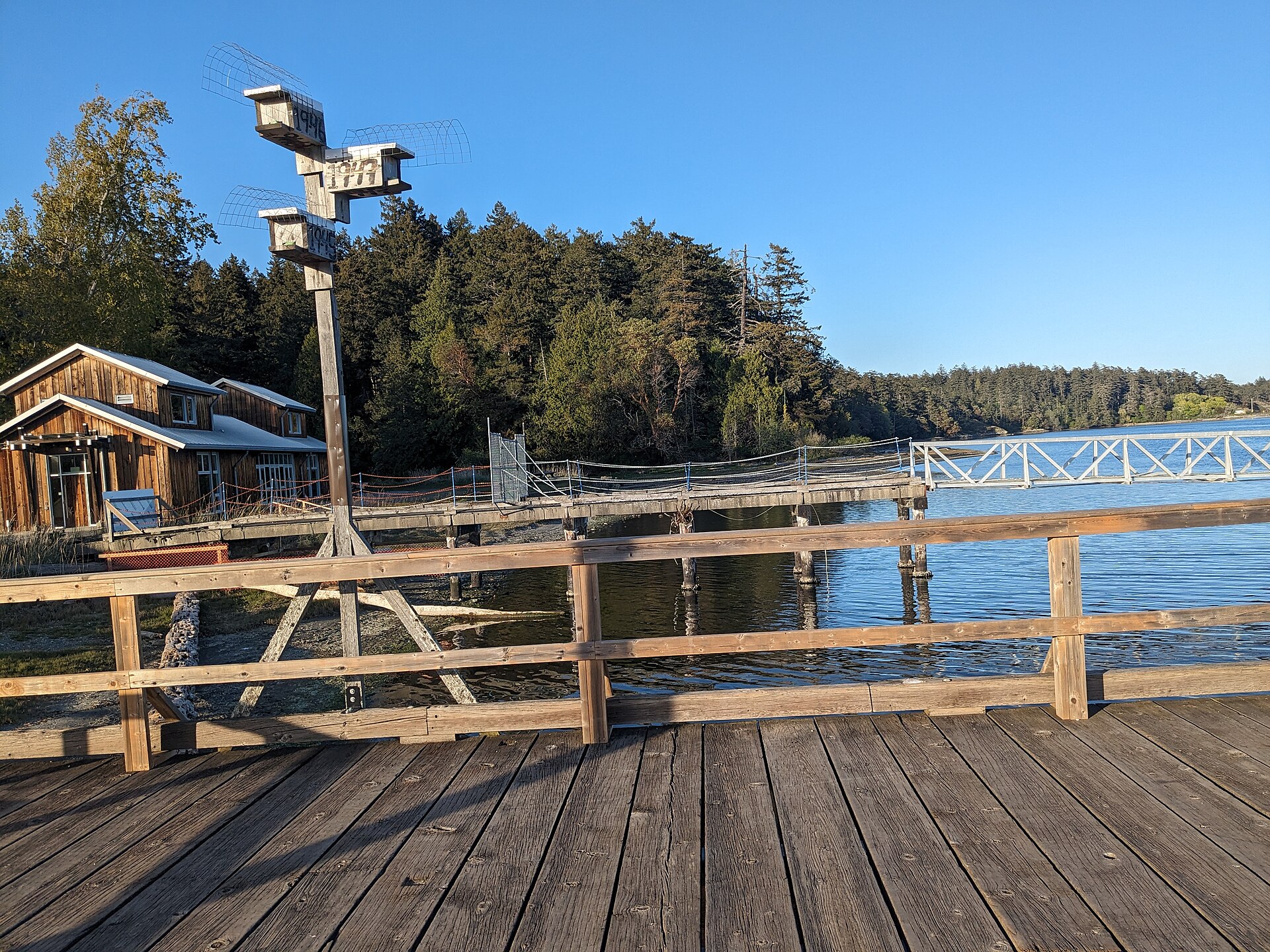
Use official park and sanctuary information alongside signs at the location. Access can depend on the particular area and the activity involved, so a general description of the waterfront is not enough to answer every question. A path shown in an image or on a map should not be treated as permission to enter private land, a closed area, or a work site.
If your visit depends on a specific entrance or facility, confirm it before making the journey. This is especially helpful when travelling with someone whose access requirements need more planning. Avoid making a broad promise that a route is suitable for everyone without the relevant information. A thoughtful plan describes the actual journey and allows people to judge it against their own needs.
Give wildlife room to continue its activity
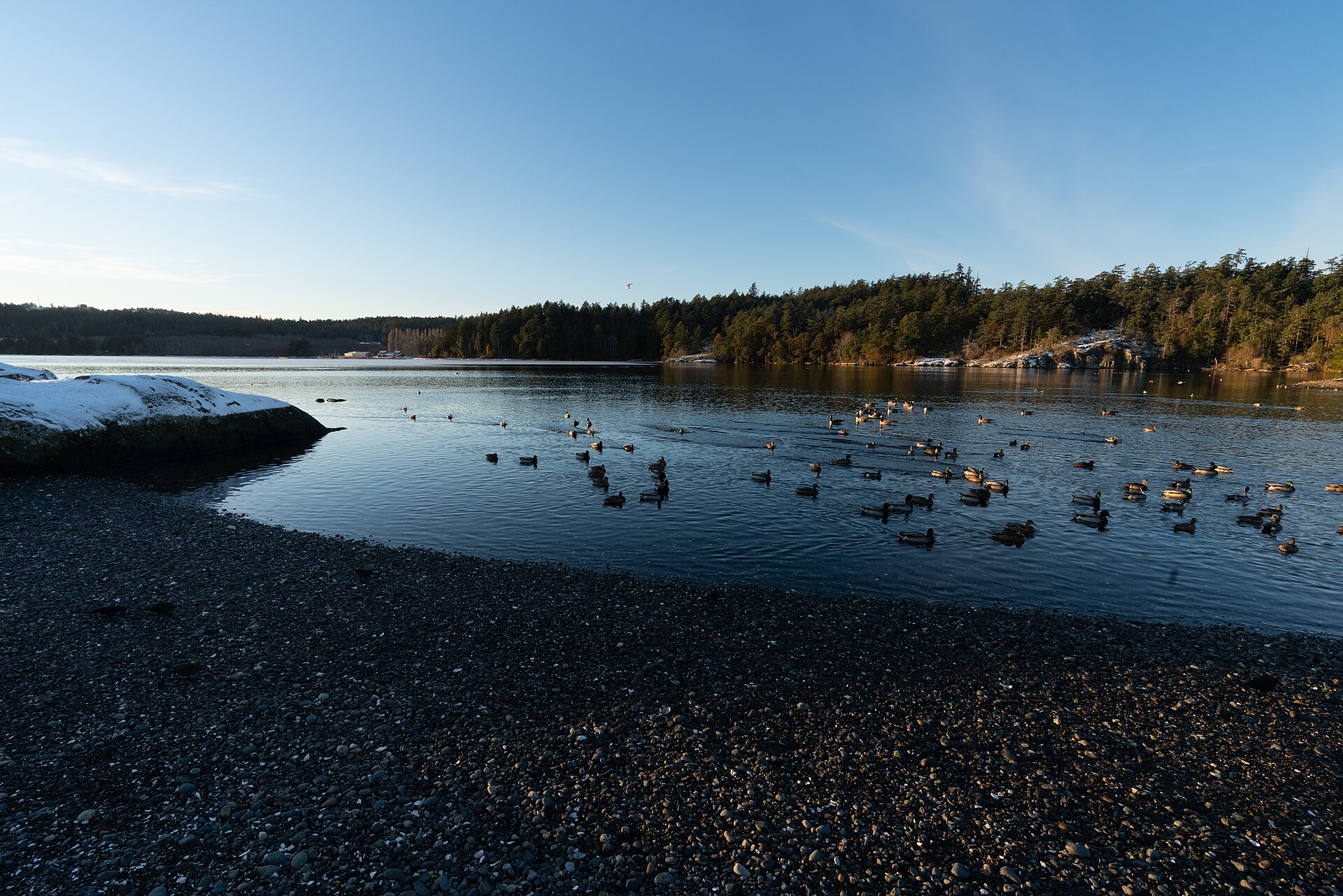
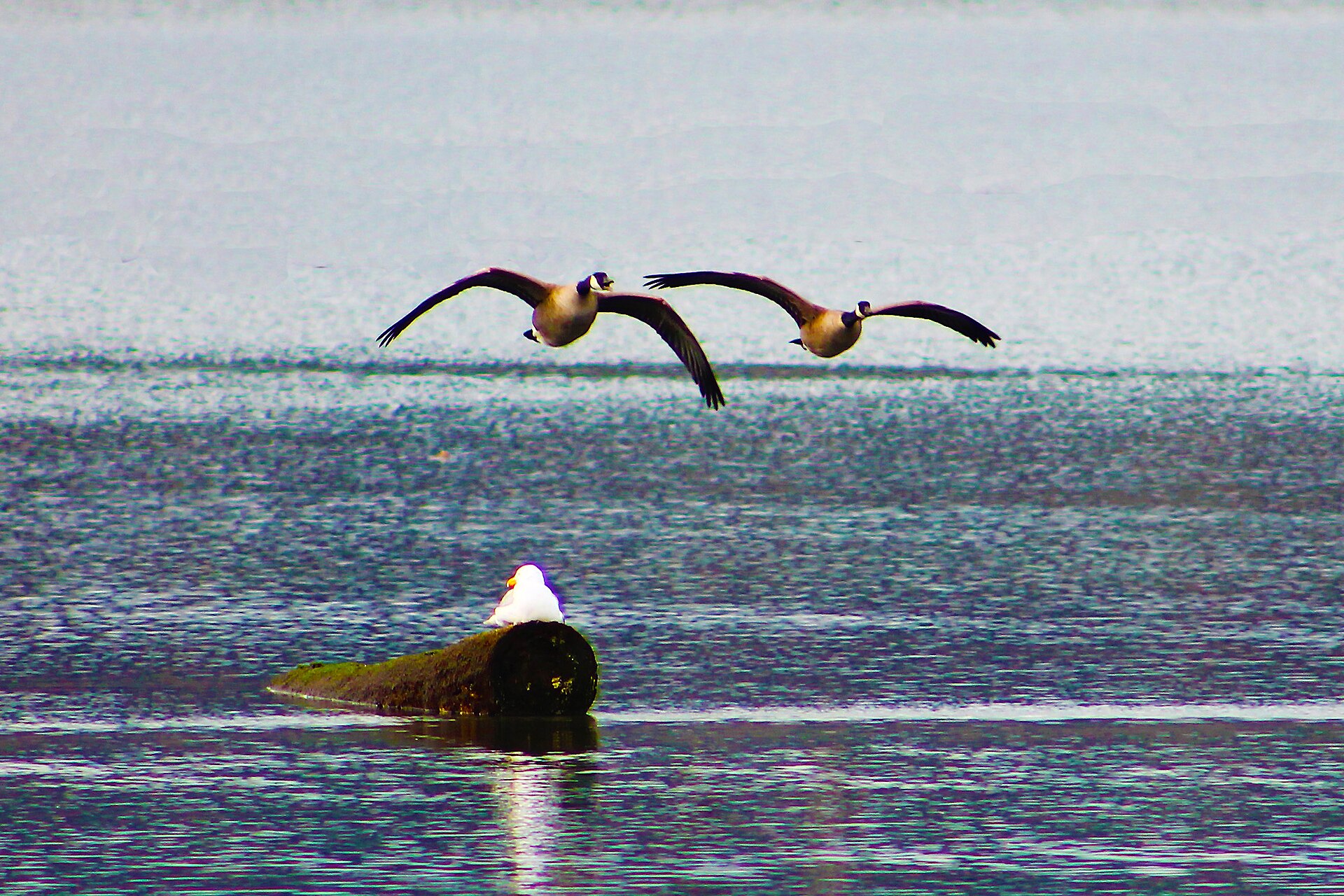
Environment and Climate Change Canada describes Esquimalt Lagoon as important feeding and resting habitat for waterbirds. Its visitor guidance identifies disturbance as a concern and states that dogs and cats must not run at large inside migratory bird sanctuaries. Check the current official guidance and follow local signs when planning a visit with an animal.
For observation or photography, choose patience over pursuit. Let the subject remain in its own setting instead of trying to arrange a closer encounter. If an activity appears to be changing how an animal behaves, give it more space and reconsider what you are doing. A useful photograph or memorable sighting does not require turning the animal’s normal routine into a response to your presence.
Let the conditions shape the outing
A coastal visit can feel different from one occasion to another. Consider the conditions you can verify before leaving and remain willing to shorten or change the outing. Choose clothing and footwear appropriate to the intended route and the information available that day. Do not make a particular photograph, viewpoint, or distance more important than a comfortable and sensible visit.
Plan where you will turn back and how you will return. If several people are visiting together, discuss that plan before the group spreads out. Keep the itinerary realistic for the people involved rather than adopting a route simply because it appears popular. A shorter visit that leaves everyone comfortable can be more rewarding than extending an outing to satisfy an arbitrary goal.
Keep photography connected to the place
A photograph can encourage closer attention to light, texture, and changing relationships in the landscape. Start by observing what is already happening rather than seeking an image that requires interference. Respect private homes, people’s personal space, and any posted restrictions. A public setting does not remove the value of courtesy toward the people who happen to be in view.
When sharing an image, describe its location and circumstances accurately. A landscape photograph is not evidence of a property’s exact outlook, current construction status, or guaranteed access. Avoid attaching a claim that the image cannot support. Clear captions allow a picture to communicate its own qualities without turning it into misleading information about a home, a facility, or the wider neighbourhood.
Connect enjoyment with everyday stewardship
Bring what you need and plan to take belongings and waste away with you. Make choices that reduce the amount of loose material you have to manage outdoors. Follow current local rules for the activities you intend to undertake, and leave natural or cultural features undisturbed. If something appears to need attention, use the appropriate public reporting channel instead of assuming an improvised intervention will help.
The City identifies Lagoon West Park as culturally and archaeologically significant to the Lekwungen-speaking Songhees and Esquimalt Nations. That context deserves respectful attention. Use information shared by the relevant Nations and public authorities rather than inventing a story about a feature you notice. A richer understanding of the place begins with listening to appropriate sources, including where they identify limits to what is known or publicly shared.
Return with attention rather than expectation
Repeated visits can build familiarity without making the waterfront predictable. You may notice a different quality of light, a change in the arrangement of birds, or a route you had previously hurried past. Let those observations remain part of the pleasure of returning. A natural setting does not need to provide the same experience every time to become meaningful in everyday life.
A responsible visit combines curiosity with restraint. Check access, respect the living and cultural context, make room for others, and adapt the plan to the conditions and people involved. These habits do not diminish enjoyment; they make it easier to share the place well. The shoreline then becomes somewhere to spend time thoughtfully, rather than a collection of views to consume as quickly as possible.