
Neighbourhood · 5 min read
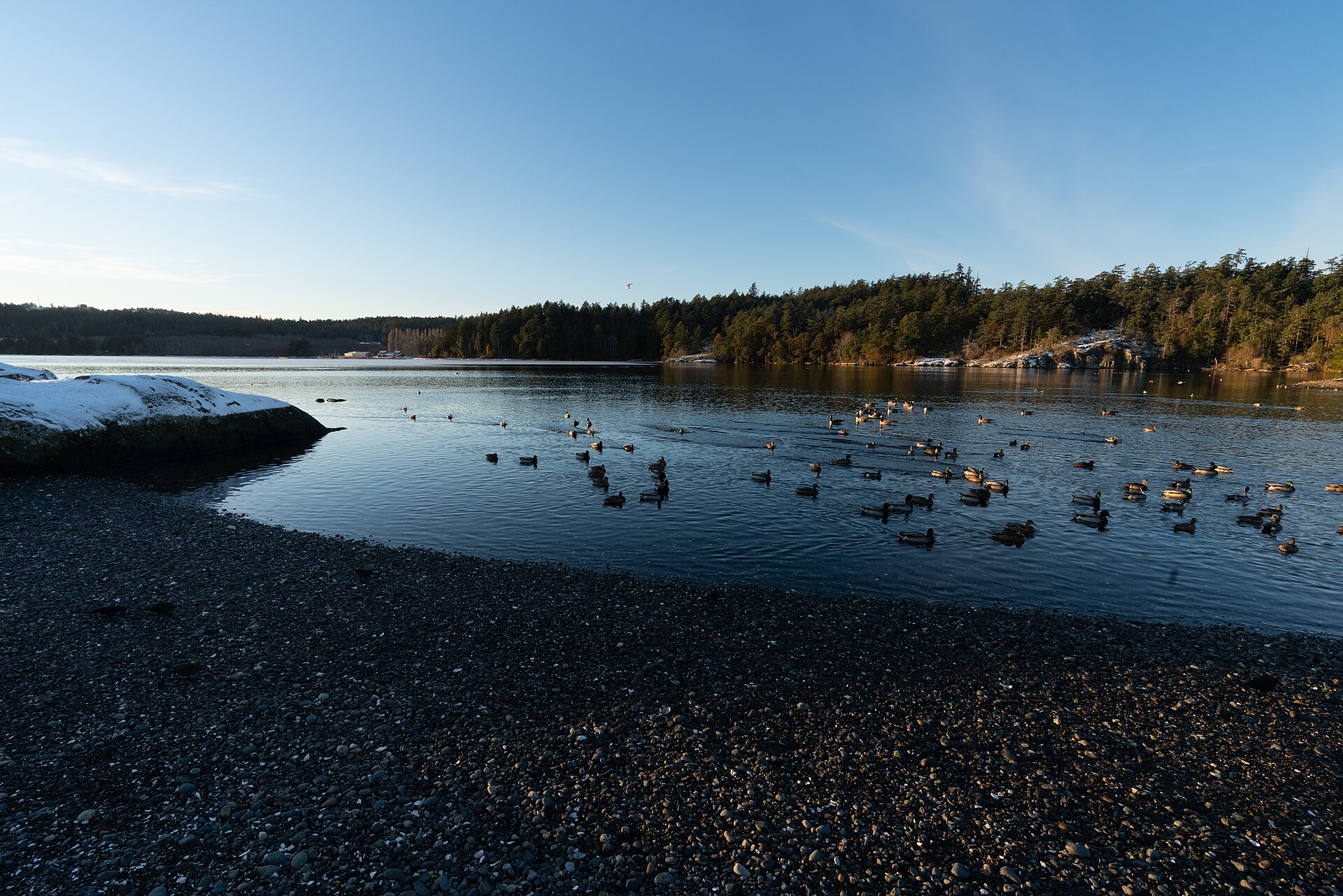
Living near Esquimalt Lagoon: a thoughtful neighbourhood guide
Explore the everyday questions that matter when considering a home near Colwood’s lagoon, from daily routines to respectful waterfront access.
Twelve practical guides to Colwood’s waterfront, thoughtful home design, community planning, and the everyday questions behind choosing a place to live.
A useful guide gives you a clearer question to ask, a practical step to try, or a better way to compare information. The Two Waters journal connects appreciation of a place with the details that shape everyday experience. Read about the lagoon and local routines, then explore room relationships, material care, and planning documents.
The articles are written for readers gathering information, not as a substitute for property-specific or professional advice. They do not promise availability, investment performance, a particular view, or a construction outcome. Where a topic depends on a public organization, source links point to its own information.
Choose a topic that matches the decision in front of you. If you are comparing places, begin with neighbourhood and transport questions. If you are comparing homes, start with the layout and floor-plan guides. If a project description raises questions, use the community planning article to organize them before looking at individual documents.
12 articles
Explore the everyday questions that matter when considering a home near Colwood’s lagoon, from daily routines to respectful waterfront access.

A room-by-room method for comparing townhome layouts through circulation, storage, privacy, flexibility, and the routines that matter to your household.

Learn to distinguish a planning vision from property-specific information, and ask useful questions about routes, phases, public spaces, and supporting documents.

A practical way to discuss surfaces, exterior details, care records, and maintenance responsibilities when considering a home in a coastal setting.
Look beyond the size of a window and consider how daylight, furniture, views, and privacy work together in a townhome.

A practical guide to comparing walking, transit, cycling, and occasional driving around the journeys your household actually makes.

A clear method for interpreting plan labels, dimensions, circulation, furniture, outdoor areas, and the information a drawing cannot confirm.

Plan a useful home workspace by considering tasks, privacy, equipment, shared routines, and the transition between working time and personal time.

Organize the information, access arrangements, household routines, and first-week essentials that make a move easier to manage.
Plan a rewarding waterfront visit while respecting wildlife, public access, changing conditions, and the people who share the shoreline.
Organize a practical review of strata documents, shared spaces, maintenance responsibilities, and everyday expectations with the right professional support.
Make rooms more adaptable through clear priorities, useful storage, movable furniture, and realistic transitions between activities.
No matching article. Try a broader search or select all topics.
You do not need to read everything before taking a next step. Choose one guide that addresses your immediate question and write down the part that applies to your situation. Then identify what the article cannot tell you: perhaps an actual room measurement, the current status of an application, or the conditions attached to a particular property.
Keep those questions with the source you consulted. A simple note containing the page address, date, and the issue to confirm can be more useful than a large collection of undifferentiated bookmarks. When you return to the subject later, you will understand why the information mattered and what remained unresolved.
A regional transport map, a community plan, a measured floor plan, and a product care document answer different questions. An article may introduce several of them, but none should be used outside its purpose. Compare a household routine with a real address, a furniture arrangement with actual dimensions, and a maintenance question with the material or assembly concerned.
Source dates matter as well. A thoughtful general method can remain useful while a service schedule, legal requirement, or project proposal changes. Follow current official links at the point of decision. Where you need a personalized interpretation, consult an appropriately qualified person rather than treating a general guide as a final answer.
Reading becomes more valuable when it changes the next observation you make. Measure one difficult piece of furniture, try one journey at the right time, or compare two dated documents about the same address. Keep the test narrow enough that you can explain what it showed and what it did not establish.
Then revisit your original priority. A test may confirm an assumption, reveal a constraint, or suggest a better question. That is useful progress even when it does not produce an immediate decision. Let the evidence guide the next step instead of collecting more material without a clear purpose.
Household members may notice different things in the same article. One person may focus on storage, another on a quiet work area, and another on the journey home after dark. Sharing those observations makes priorities easier to discuss. Ask each person for one useful idea, one concern, and one detail that still needs checking.
The aim is not to turn every choice into a long checklist. It is to make the important considerations visible before they become an inconvenient surprise. Good preparation leaves more room to enjoy the setting and the home you choose, because the practical questions have received attention as well.