The landscape, in perspective
Explore photographs of Esquimalt Lagoon and the surrounding waterfront, with clear captions, photographer credits, and image licences.
A closer look at the setting
These photographs show aspects of the wider Colwood waterfront and lagoon landscape. They are a way to notice the relationships between water, shore, vegetation, wildlife, and the places from which people observe them. They are not images of a currently offered home or a promise about the view from any particular property.
Each caption identifies its source and the year recorded with the photograph. A published image captures a moment; it does not establish today’s access arrangements or confirm that every visible feature remains unchanged. Check official site information before planning a visit and use current property documents when considering a home.
Select an image to open a larger view. Use the previous and next buttons or the arrow keys to move through the collection, and Escape to close the viewer. Image links also open the photograph directly when interactive features are unavailable.
Moments around the lagoon.
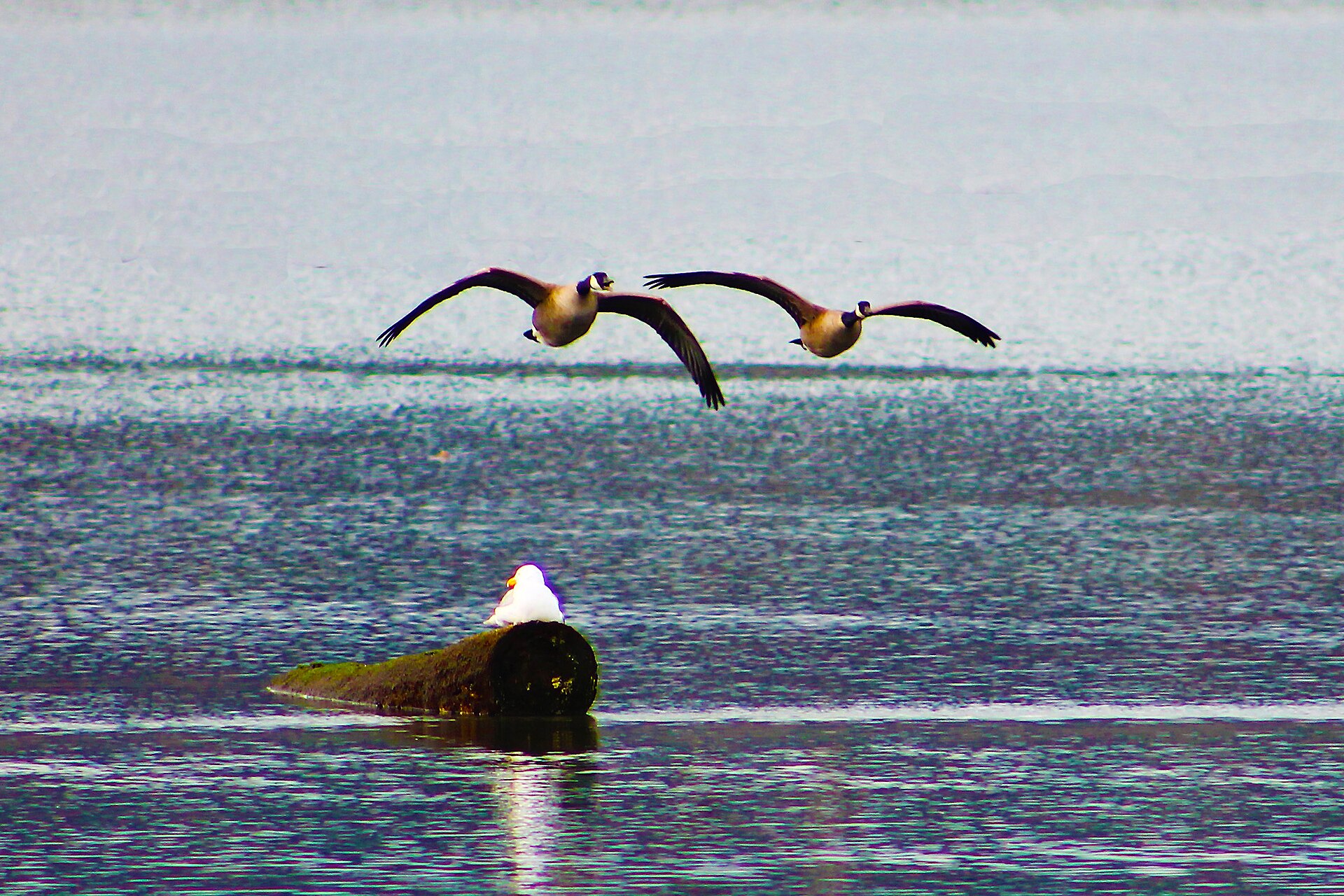

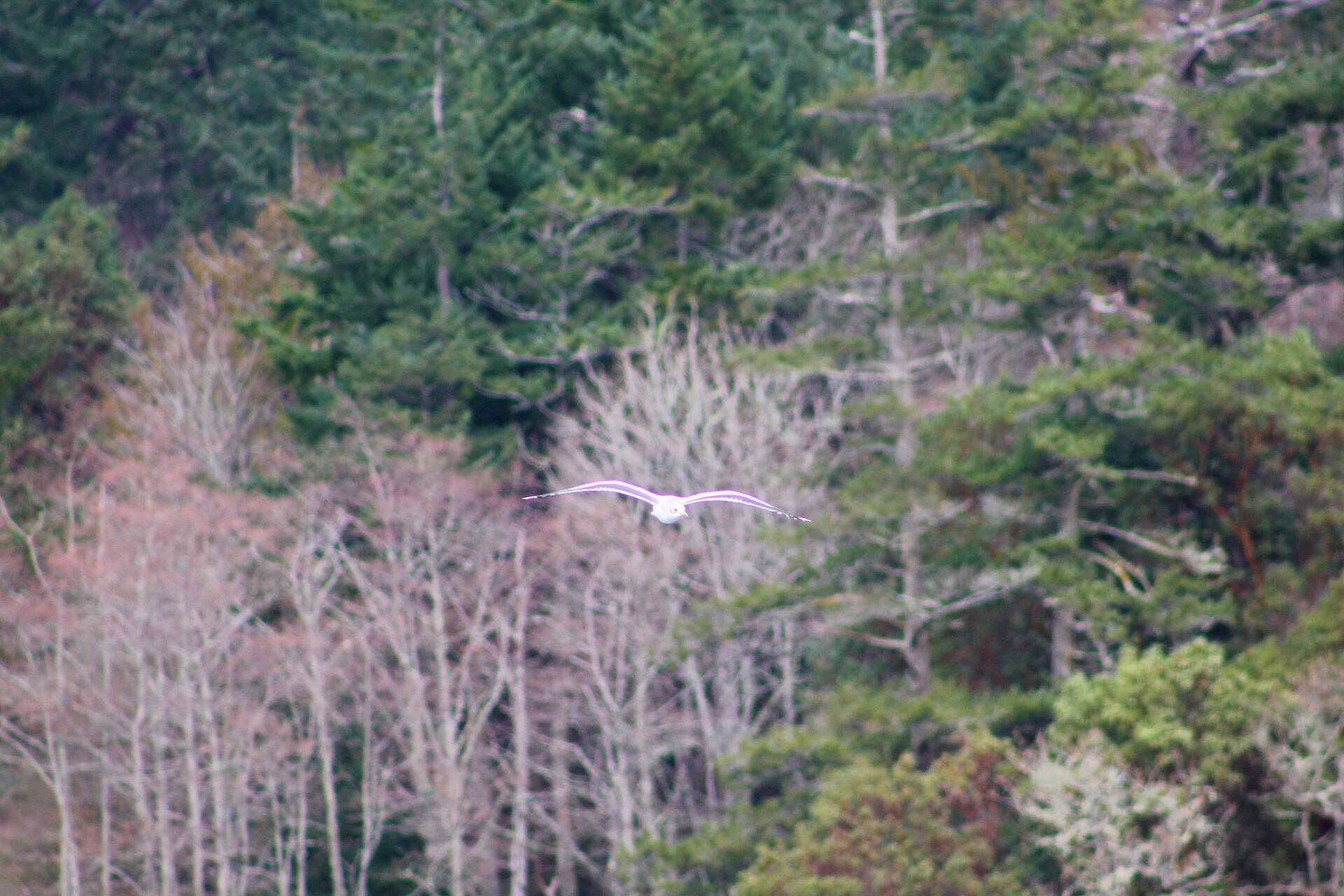

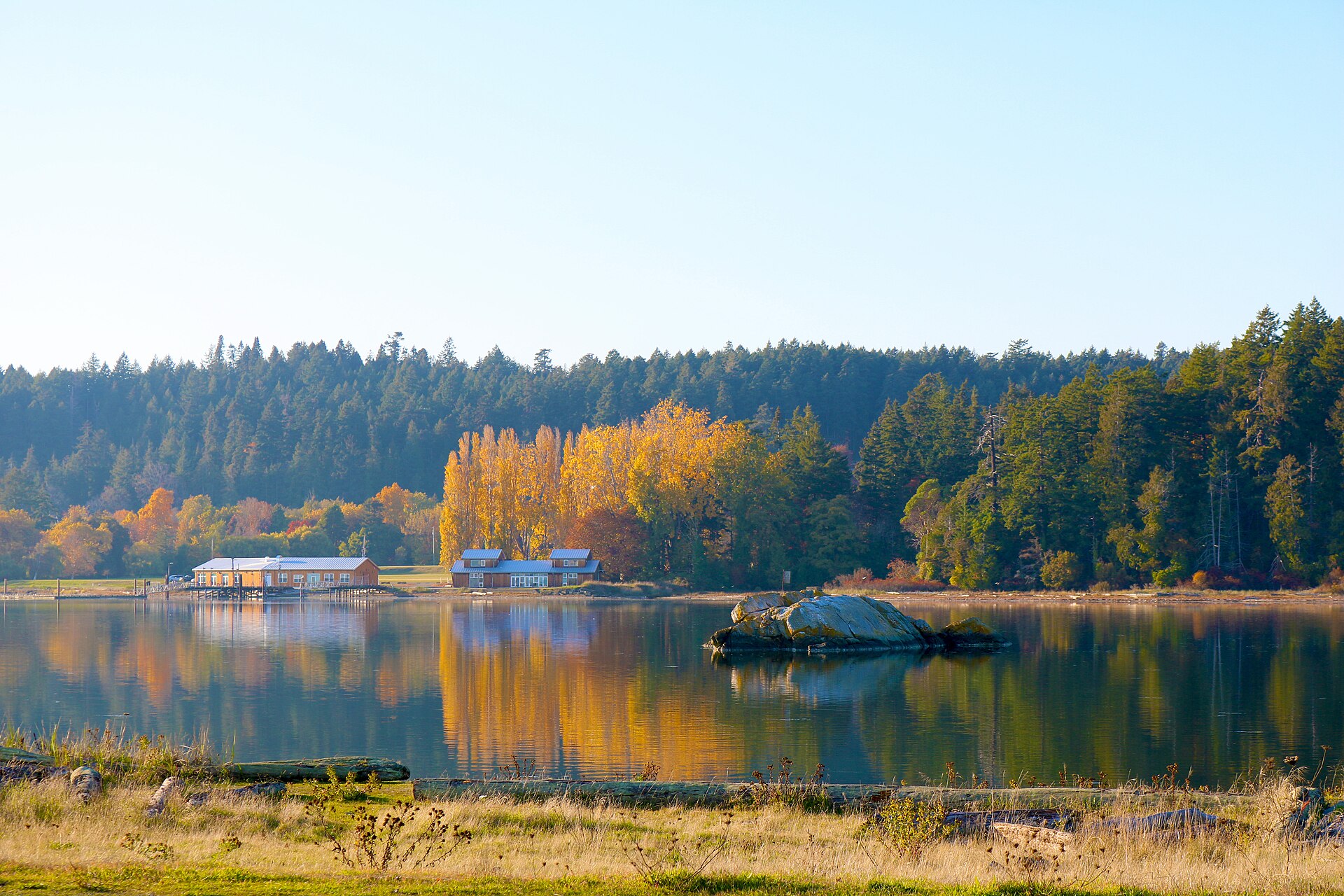

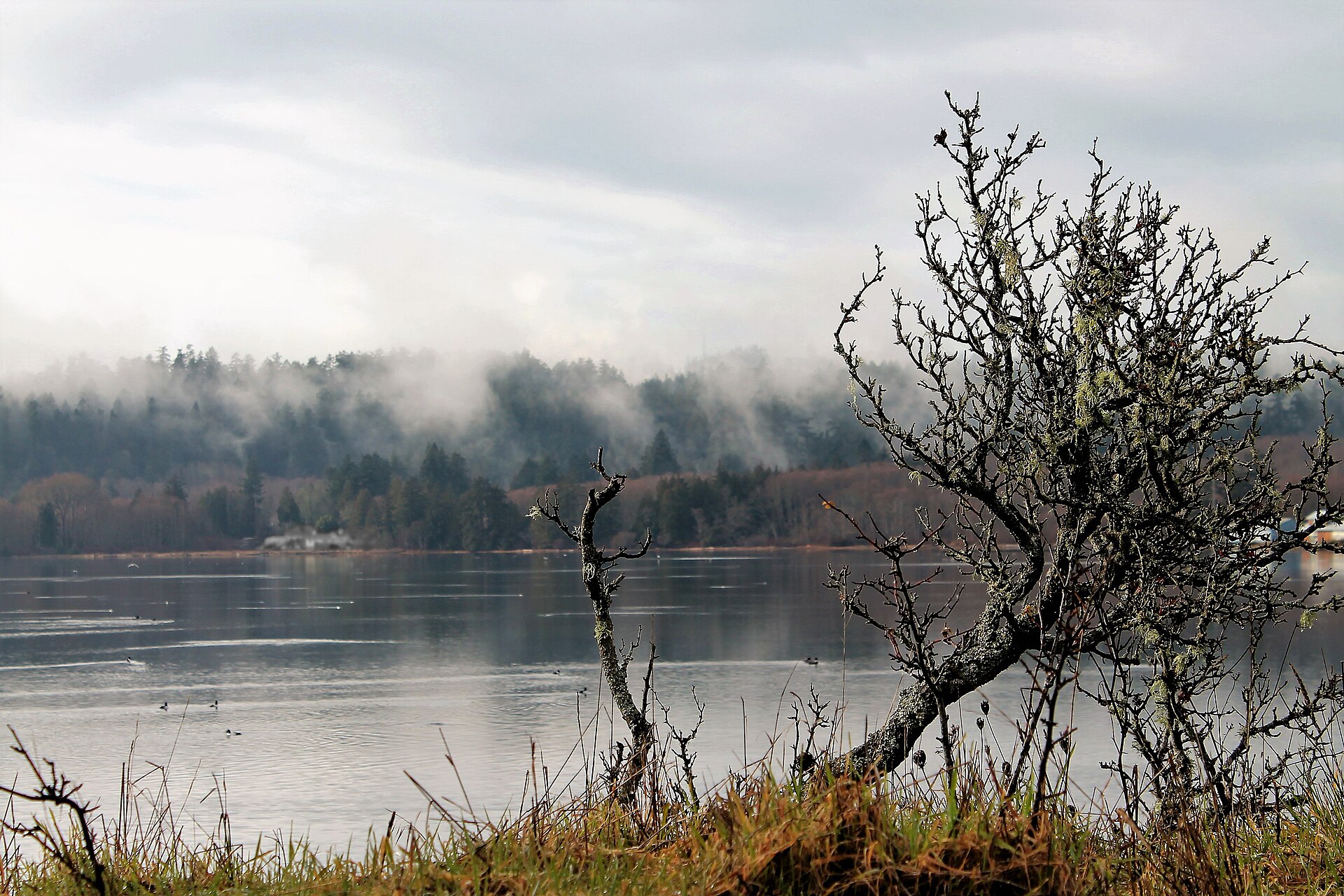

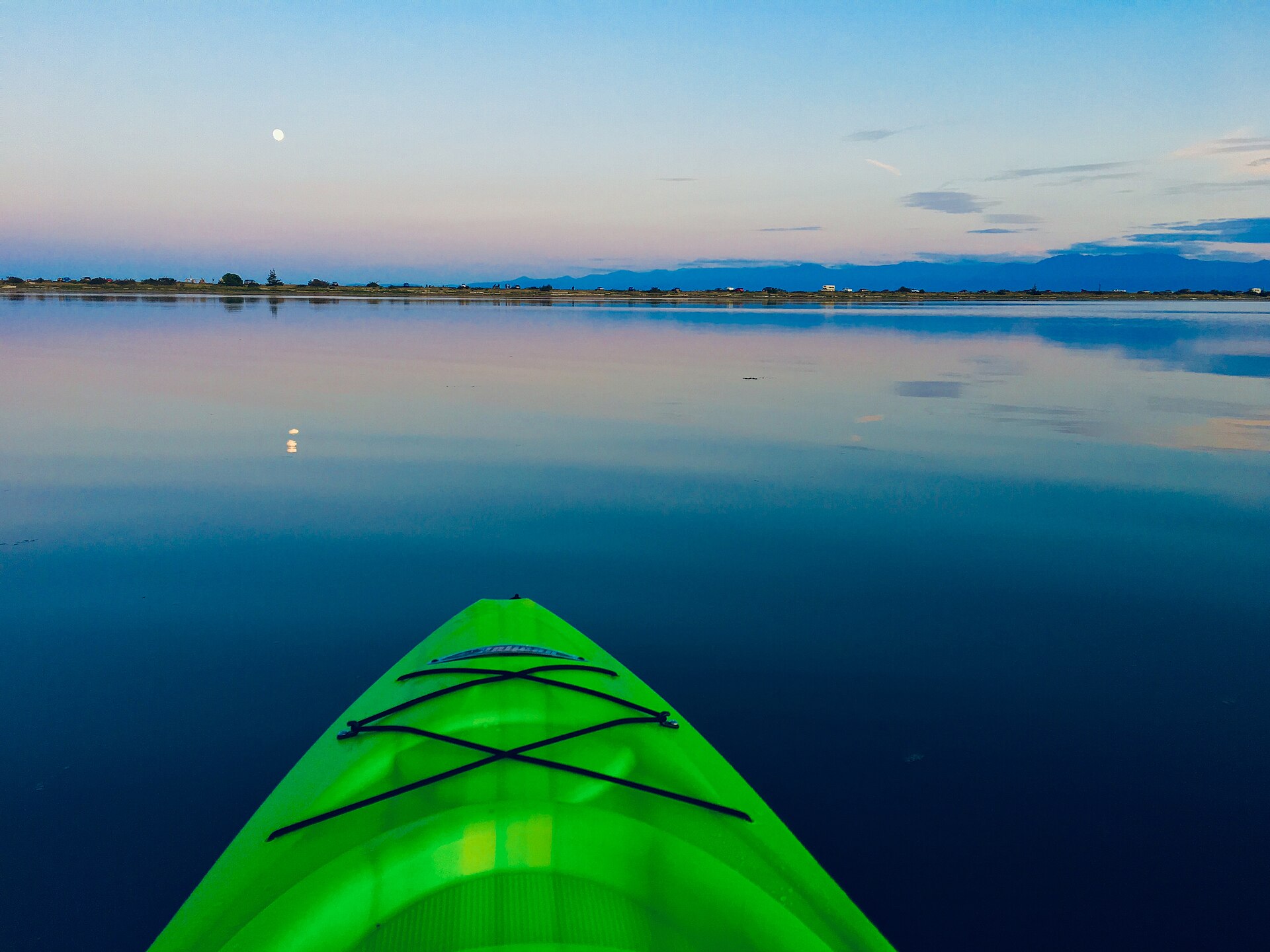

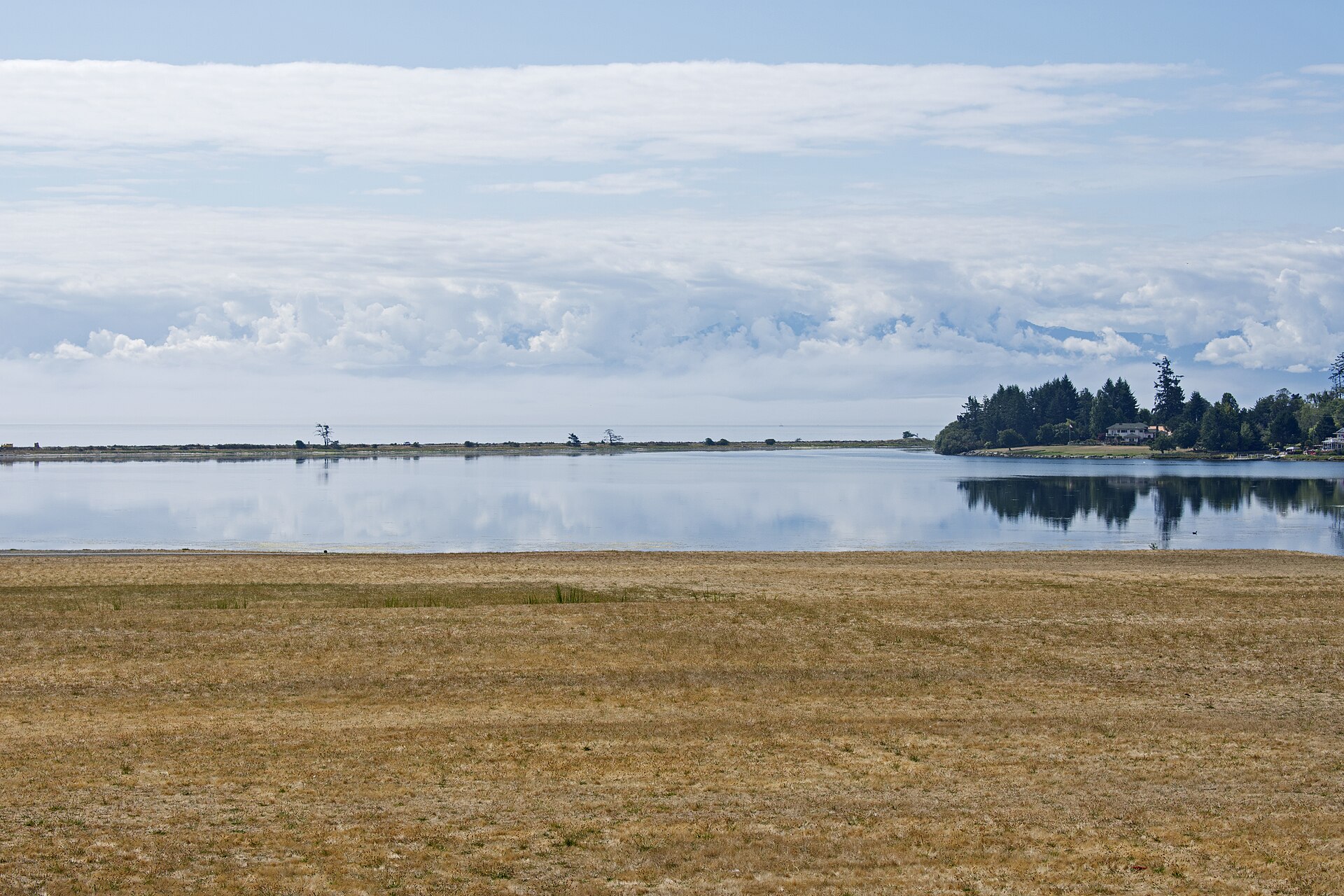

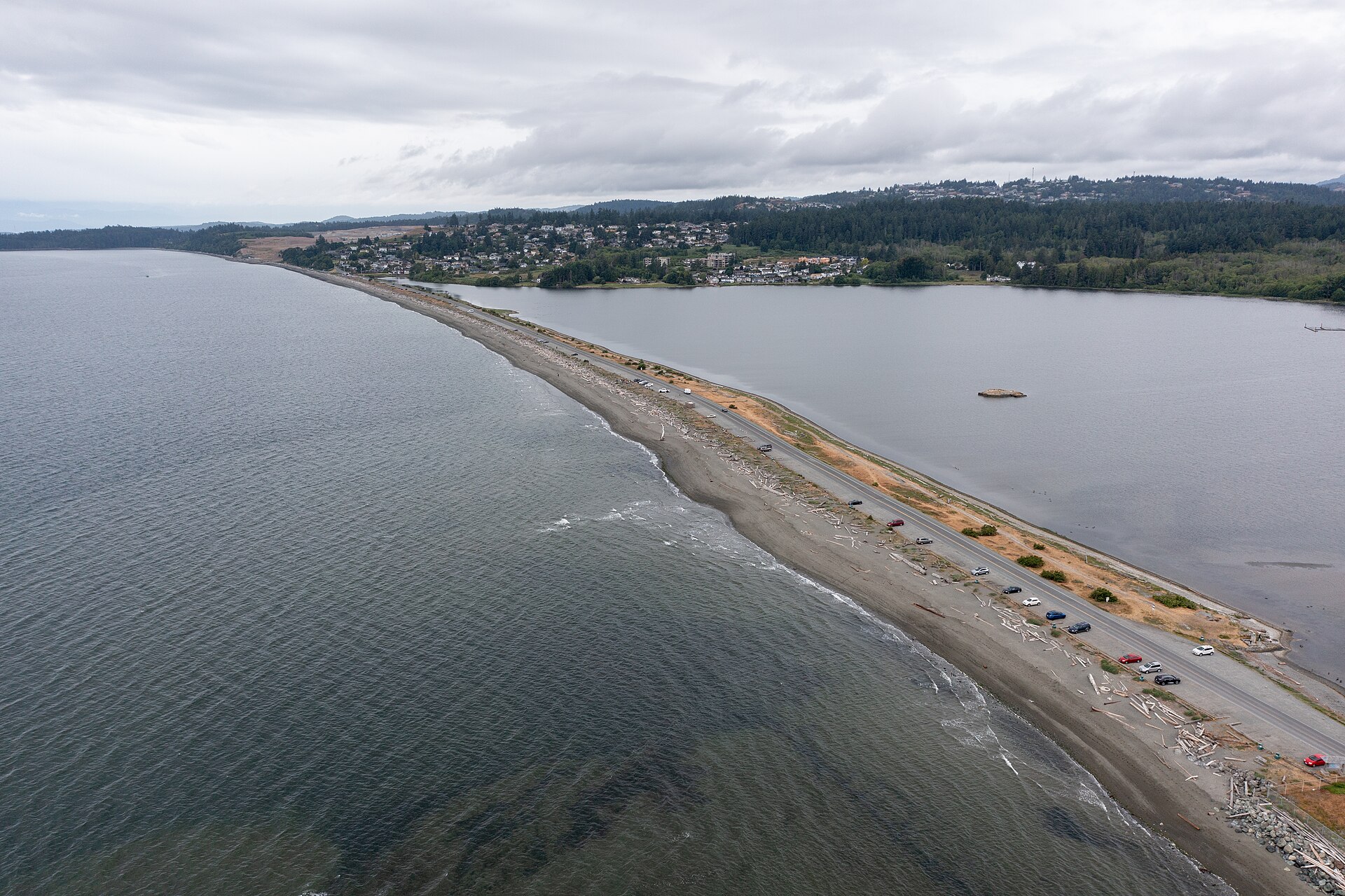

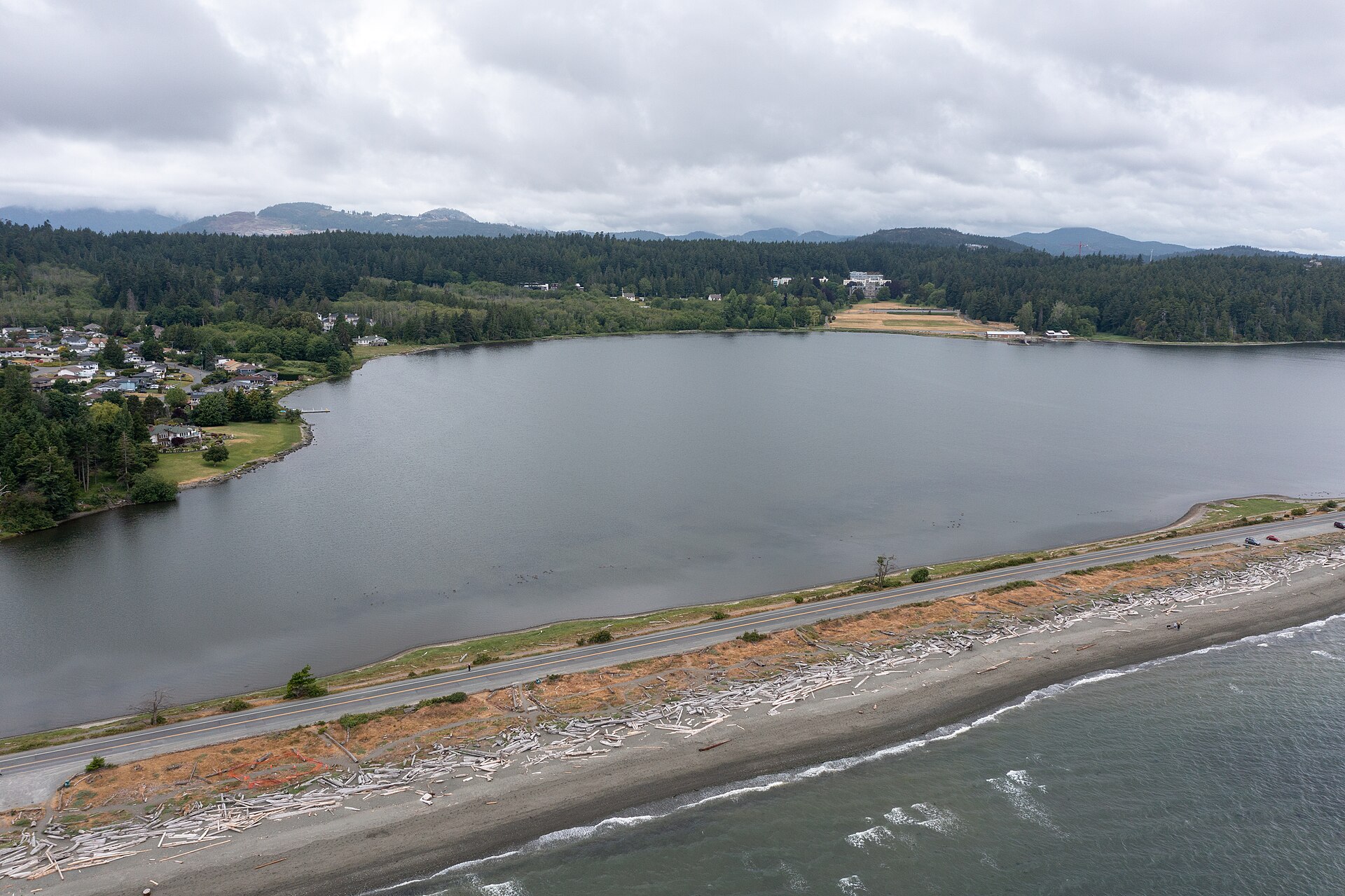

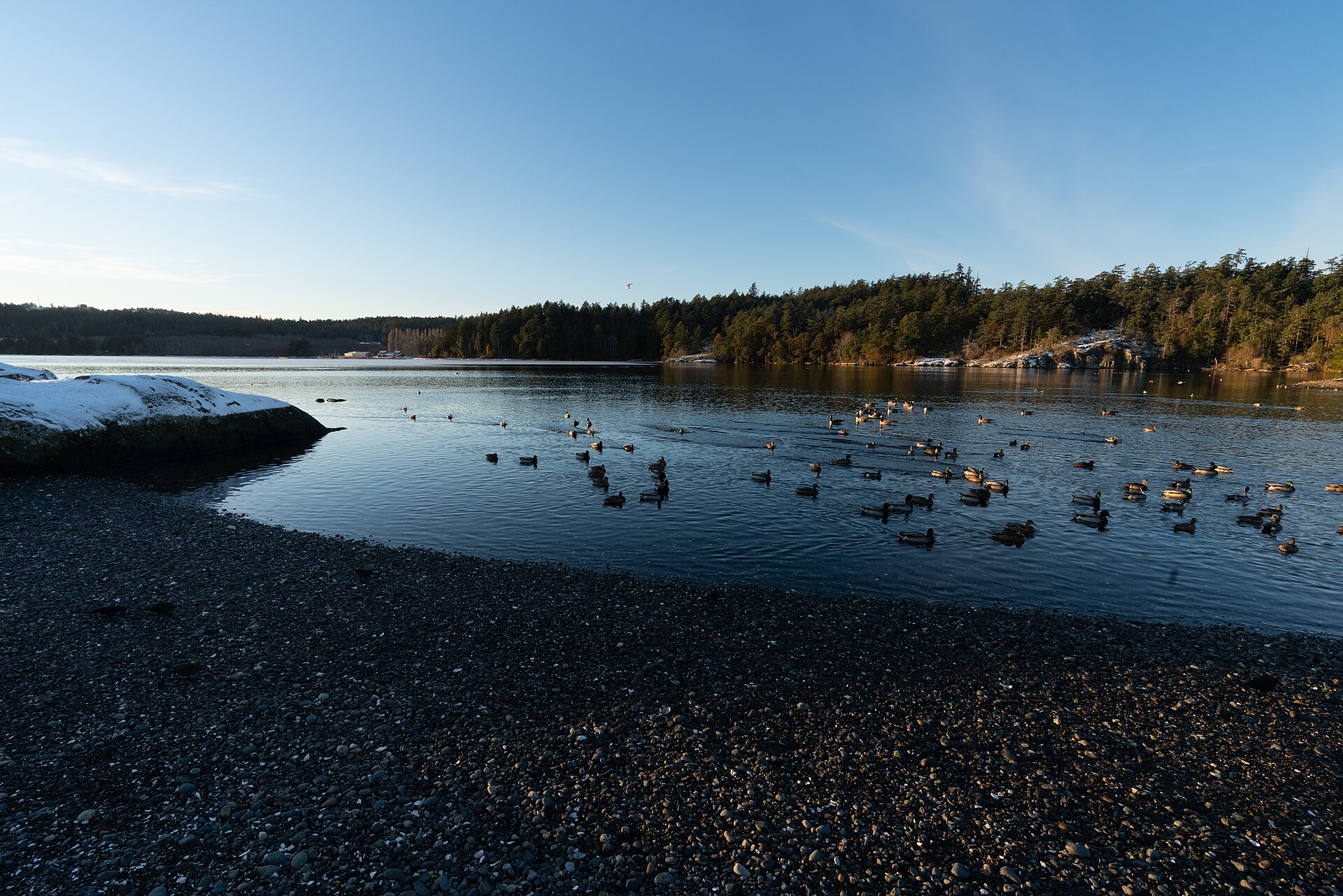

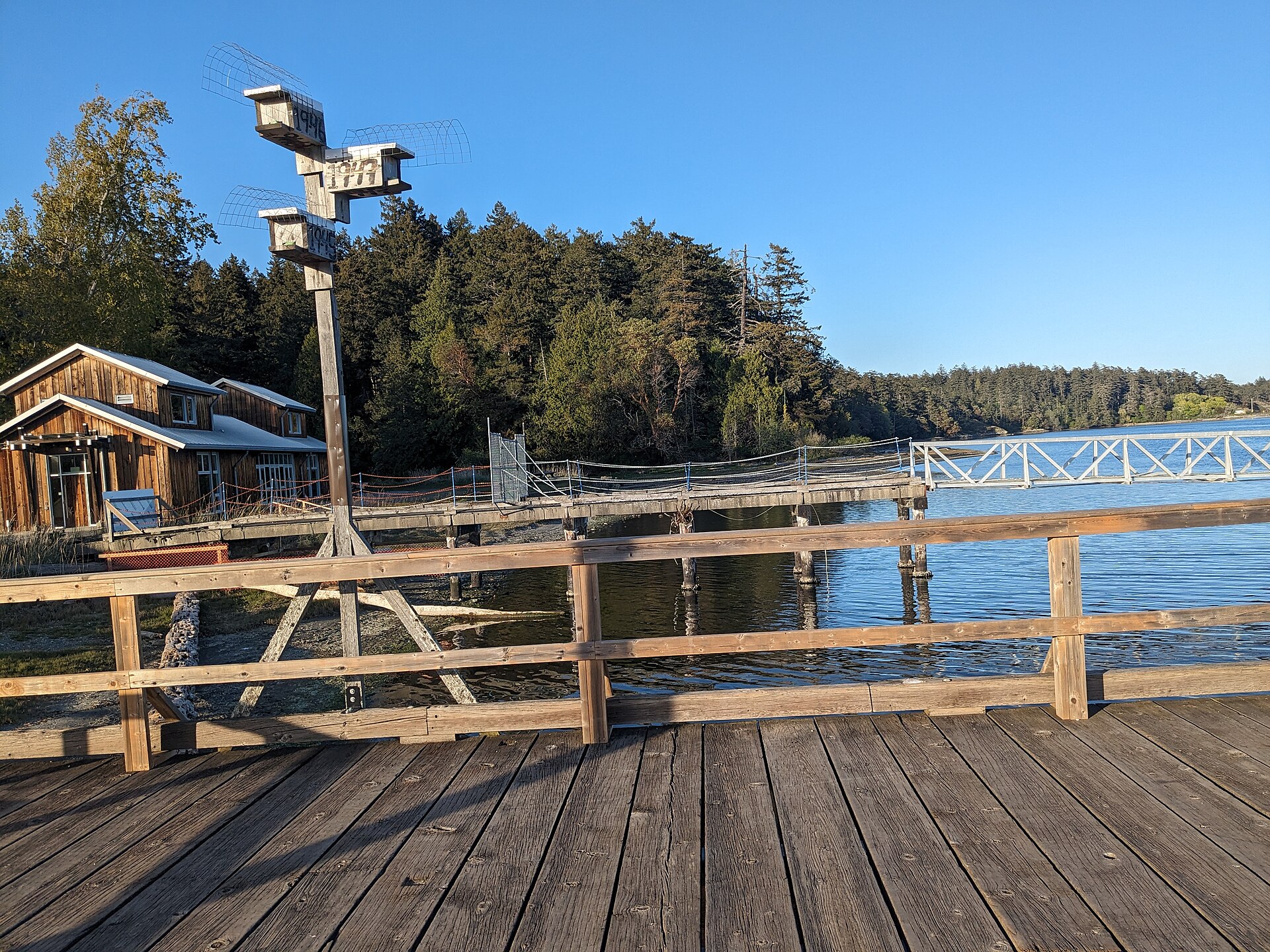

Images are served locally and displayed with responsive crops. Source photographs are available through the credit links under the stated Creative Commons licences. No view from an individual property is implied.
Look carefully, visit thoughtfully
The following reading selections offer practical ways to assess your own needs. Each heading links back to the complete guide through its source title.
From Enjoying Colwood’s waterfront with care
Let the conditions shape the outing
A coastal visit can feel different from one occasion to another. Consider the conditions you can verify before leaving and remain willing to shorten or change the outing. Choose clothing and footwear appropriate to the intended route and the information available that day. Do not make a particular photograph, viewpoint, or distance more important than a comfortable and sensible visit.
Plan where you will turn back and how you will return. If several people are visiting together, discuss that plan before the group spreads out. Keep the itinerary realistic for the people involved rather than adopting a route simply because it appears popular. A shorter visit that leaves everyone comfortable can be more rewarding than extending an outing to satisfy an arbitrary goal.
Keep photography connected to the place
A photograph can encourage closer attention to light, texture, and changing relationships in the landscape. Start by observing what is already happening rather than seeking an image that requires interference. Respect private homes, people’s personal space, and any posted restrictions. A public setting does not remove the value of courtesy toward the people who happen to be in view.
When sharing an image, describe its location and circumstances accurately. A landscape photograph is not evidence of a property’s exact outlook, current construction status, or guaranteed access. Avoid attaching a claim that the image cannot support. Clear captions allow a picture to communicate its own qualities without turning it into misleading information about a home, a facility, or the wider neighbourhood.
From Living near Esquimalt Lagoon: a thoughtful neighbourhood guide
Build a practical map of daily needs
Make a short list of the services your household uses most often. The right list might include food shopping, a pharmacy, a library, school, recreation, or a place to meet a friend. Group them by frequency instead of importance alone. A service used several times a week can shape everyday life more strongly than a destination visited only occasionally.
Then investigate each journey from the particular address you are considering. Do not assume that every part of Colwood has the same access or that a nearby facility can provide the service you need without an appointment, registration, or catchment check. Confirm arrangements with the organization itself. A useful neighbourhood assessment separates what is geographically close from what is practically available to your household.
Consider the home’s transition from outside to inside
Living near a waterfront often encourages more time outdoors, so the entry deserves attention. Think about where footwear, coats, bags, and walking equipment would go when several people arrive together. A pleasant view does not solve a crowded doorway. Look for a workable sequence from entrance to storage and from storage to the main living space.
This is also a good moment to consider cleaning and maintenance routines without assuming that every coastal home has the same materials or exposure. Ask for the specific building’s care information and confirm which tasks belong to the resident, owner, or strata. The goal is a clear understanding of the actual property, not a general claim that a location automatically makes a home difficult or effortless to maintain.
Visit at more than one pace
One visit can focus on practical questions: access, routes, entrances, and the relationship between buildings. Another can be slower, giving you time to notice how the area feels without constantly checking a list. Both approaches are useful. The first reveals logistical issues; the second can help you understand whether you enjoy spending unstructured time in the setting.
Respect public and private boundaries during every visit. A development illustration is not permission to enter a site, and a path visible on a map is not proof that it is open. Follow posted information and use official park and municipal sources for access questions. A neighbourhood can be appreciated fully without stepping into construction areas or treating someone else’s residential space as a viewing platform.
Use photographs as a starting point
A picture can help you decide what you want to investigate. It cannot measure a journey, define a boundary, establish accessibility, or replace an in-person assessment. Pair what you see here with a map, official information, and a visit to places where access is permitted.